
Buying a fixer upper has always been a tried and true way to get into real estate.Buy the ugly house. Put some money into it. Build sweat equity. End up with something worth more than you paid.That

Dated: November 11 2025
Views: 745
Wildfire risk is part of life near the Sierras. Insurers are paying closer attention to property conditions, location, and mitigation. The good news: many Northern Nevada homes can stay insurable and reasonably priced with smart upgrades and the right coverage choices. This guide breaks down how policies work, what underwriters look for, and how to strengthen your application before renewal or purchase.
Higher catastrophe losses in the West have pushed carriers to refine modeling and pricing.
Concentration of risk in wildland–urban interface (WUI) neighborhoods means more scrutiny of vegetation, slope, and construction.
Mitigation matters more than ever: insurers increasingly offer credits for hardened homes and maintained defensible space.
Bottom line: You have more control than you think. The condition of the property and your documentation can materially influence offers and rates.
Dwelling (Coverage A): Target a limit based on rebuild cost, not market value. Ask your agent for a replacement-cost estimator; aim to keep it updated annually.
Extended/Guaranteed Replacement Cost: Adds 25–100% beyond Coverage A if rebuild costs spike after a major event. If available, this is worth strong consideration.
Ordinance or Law: Pays to meet current building codes during repair/rebuild—important for older or custom homes.
Other Structures (Coverage B): Fences, detached garages, sheds—double-check limits if you have acreage or outbuildings.
Personal Property (Coverage C): Replacement cost vs. actual cash value; review sublimits (jewelry, firearms, collectibles).
Loss of Use (Coverage D): Pays for temporary housing if your home is uninhabitable. Confirm limits are realistic for Reno/Tahoe rents.
Liability/Medical: Not wildfire-specific, but don’t skimp; larger lots, features, and visitors increase exposure. Consider an umbrella policy.
Expect questions and photos around:
Defensible space: Clear 0–5 feet (Zone 0) of non-combustible materials; 5–30 feet reduced fuels; 30–100 feet thinned and maintained.
Roofing & vents: Class A roof, ember-resistant vents, and sealed eaves are major positives.
Siding & decks: Non-combustible or ignition-resistant surfaces; deck board gaps cleaned; no firewood under decks.
Gutters & roofs: Metal guards, regular cleaning.
Topography & access: Steep slopes, one-way roads, limited turnarounds may trigger higher scrutiny—mitigation and documentation help offset.
Tip: Provide a photo packet showing defensible space, vent upgrades, roofing, siding, and access improvements. Make it easy for an underwriter to say yes.
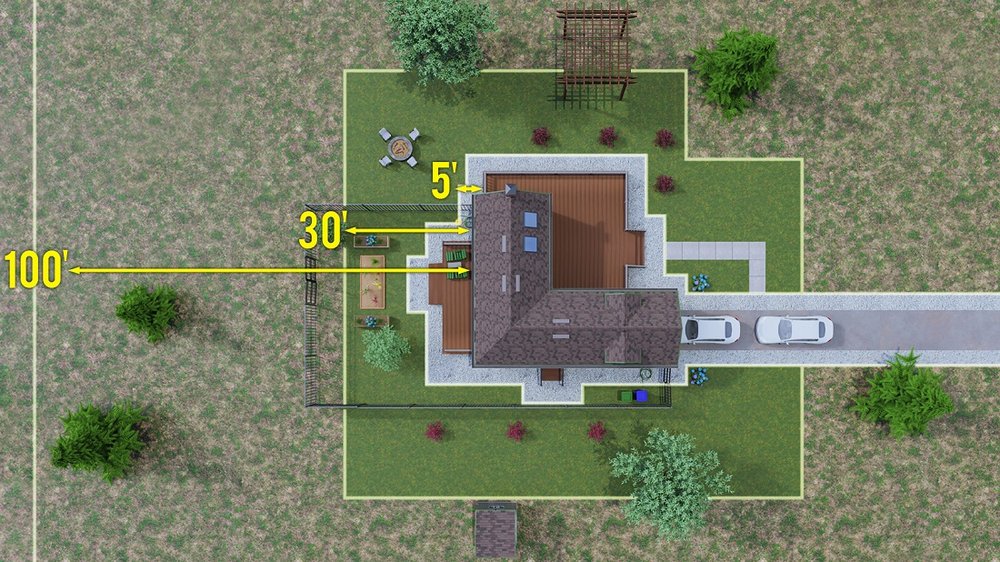
Get a mitigation assessment. Document current conditions and a punch list.
Complete “quick win” upgrades in 2–4 weeks:
Clear Zone 0 to mineral soil or gravel
Clean/cover gutters; install ember-resistant vents
Trim limbs 6–10 feet from ground and 10+ feet from roofline
Move combustibles (wood piles, furniture, propane) 30+ feet from structures
Address bigger items as budget allows: ignition-resistant siding, boxed-in eaves, tempered/dual-pane windows, non-combustible fencing sections against the home.
Keep receipts and photos. Package them with your application.
Shop early. Start 30–45 days before renewal; consider independent brokers who can access multiple carriers.
Buyers: Ask for wildfire/insurance disclosure details during due diligence. Price the home with the expected premium so there are no surprises.
Sellers: Proactively handle basic mitigation and provide a one-page summary of upgrades and maintenance; it keeps buyers (and their lenders) confident.
Appraisals & timelines: Some lenders will not fund without binding coverage. Plan insurance in parallel with inspection windows.
Premiums vary by carrier and micro-location. Typical levers that move pricing:
Positive: Class A roof, ember-resistant vents, hardscaped Zone 0, recent mitigation photos, community hydrants, sprinklers.
Negative: Dense vegetation against siding, wood-shake roofs, steep/remote access, historical non-renewals in the area.
Ask your agent about mitigation credits and inspection waivers after improvements.
Will cutting trees lower my premium?
Tree removal near structures and cleaning up ladder fuels often helps. Focus on Zone 0–30 feet first; document everything.
If a carrier non-renews, am I stuck?
Not necessarily. Independent brokers may find alternatives. Start early, present mitigation, and be flexible on deductibles.
Do community efforts matter?
Yes. Neighborhood-wide fuel reduction projects and clear signage/access can help overall risk perception.
Class A roof and clean gutters
Ember-resistant vents installed (attic, crawlspace)
Zone 0: non-combustible ground cover
Zone 5–30 ft: thinned shrubs/trees, pruned limbs
Combustibles relocated (wood piles/propane)
Photos + receipts stored with policy
Annual maintenance reminder on your calendar
I can help coordinate property-specific risk reviews, connect you with mitigation pros, and help buyers and sellers package insurance info so transactions stay on track.
Jordan Ames, Realtor® — Northern Nevada Resource
eXp Realty

With over a decade of experience in the Northern Nevada real estate market, I bring a wealth of knowledge and expertise to every transaction. I have helped over 300 clients buy and sell homes, and I p....
Buying a fixer upper has always been a tried and true way to get into real estate.Buy the ugly house. Put some money into it. Build sweat equity. End up with something worth more than you paid.That
Here's your September 2026 Real Estate Market Report for Northern NV!Make sure to check out the coupons from some great local vendors who have agreed to offer discounts to my clients!
Buying or selling real estate is exciting, but it also involves something that attracts scammers: large amounts of money changing hands.Unfortunately, criminals have become increasingly
A major milestone in U.S. housing policy has officially arrived.The 21st Century ROAD to Housing Act (H.R. 6644) has become law after passing Congress with overwhelming bipartisan support.
 The data relating to real estate for sale on this web site comes in part from the Broker Reciprocity program of the Northern Nevada Regional Multiple Listing Service®. Real estate listings held by brokerage firms other than the owner of this site are marked with the Broker Reciprocity logo and detailed information about those listings includes the name of the listing brokerage. Copyright 2026 of the Northern Nevada Regional Multiple Listing Service MLS. All rights reserved.
